
Should you build your own hotel brand in India or sign a franchise? If your hotel is boutique, experiential or a resort where the place itself is the draw, an own brand usually makes more sense. You keep the fees and the control. If it’s a larger city or business hotel that needs corporate accounts and loyalty members, a franchise often earns its fees.
We’re Spectra Hospitality, a hotel consultancy in Gurugram. We’ve signed hotel management agreements with brands including Marriott, Hyatt, Rosewood and Anantara for owners. We’ve also built hotel brands from scratch, including our own, Raht Hotels & Resorts. So we’ve seen both routes work, and both go wrong.
Own brand vs franchise at a glance
| Own brand | Franchise | |
|---|---|---|
| Who runs the hotel | You, or a white label operator | You, or a management company you appoint |
| Fees to a brand | None | Typically 3% to 5% of room revenue in Asia, plus marketing and reservation charges |
| Control | Full: concept, design, rates, guest experience | Within the brand’s standards |
| Demand on day one | You build it | Brand website, loyalty members, corporate accounts |
| Best for | Boutique, experiential and resort hotels | Larger city and business hotels |
| Can start with | One property | One property, if it meets brand standards |
Fee range from Horwath HTL’s global franchise and licence fee comparison.
What’s the difference between a franchise and your own brand?
With a franchise, you pay a hotel brand to use its name, its reservation systems and its loyalty programme. You (or a management company you appoint) still run the hotel. In return you follow the brand’s standards on design, operations and service.
With your own brand, the name belongs to you. There are no royalties. You decide what the hotel looks like, how it prices and what a stay feels like. But nobody hands you demand. You have to win every guest through your own website, OTAs, the travel trade and marketing.
There’s a third arrangement owners often confuse with a franchise: a management contract, where the brand runs the hotel for you. We cover all three, plus the hybrid “manchise”, in Franchise, management contract or manchise: which suits your hotel?
What does a hotel franchise actually cost?
Franchise fees are charged on revenue, so they grow as the hotel grows. Horwath HTL puts franchise fees in Asia at 3% to 5% of gross room revenue. Management agreements there typically carry a base fee of 2% to 4% of gross revenue plus an incentive fee of 10% to 20% of gross operating profit.
Take an illustrative hotel with ₹10 crore of room revenue a year. At 3% to 5%, franchise fees come to ₹30 lakh to ₹50 lakh a year, before marketing, reservation and loyalty charges. Add the capex to meet brand standards, and the cost of re-doing things when those standards change.
That money can be worth it. A brand’s booking engine and loyalty members can fill rooms an independent hotel wouldn’t sell. The question is whether the extra demand pays for the fees at your hotel. In India, it isn’t always clear: HVS has pointed out that franchise fees are often not well negotiated, and can end up at or above a full management fee.
When does it make sense to build your own hotel brand in India?
In our experience, the owners who build your own hotel brand in India successfully share a few traits. An own brand works best when:
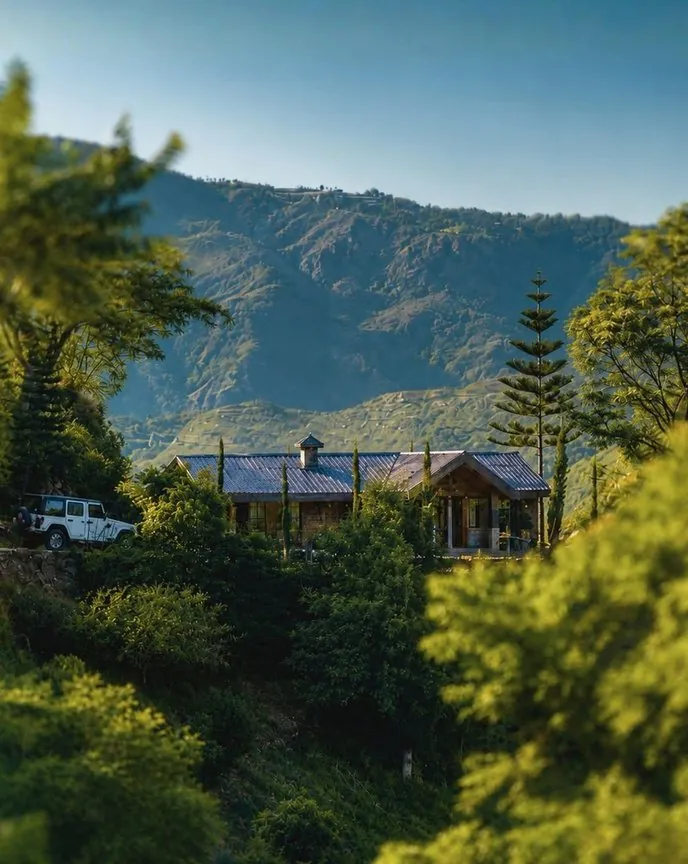
- The place is the product. A fort estate, a vineyard, a forest retreat. Guests are booking the experience, not the logo.
- The hotel is small. Boutique hotels and resorts with a few dozen keys or fewer often can’t absorb franchise fees and brand standards easily.
- You want control. Design, menus, rates and guest experience stay your call.
- You plan more than one property. A brand you own builds value across every hotel you add.
- You’re willing to invest in demand. Direct bookings, digital marketing and revenue management have to do the work a brand’s systems would.
When is a franchise the better choice?
A franchise tends to win when the hotel depends on demand an independent can’t easily reach:
- Larger city and business hotels that need corporate accounts and travel-agent contracts
- Markets where guests choose by brand, such as airport and highway hotels
- Owners who want an established name to support a bank loan or a future sale
- Projects where the owner already has a strong operating team
If that’s you, an independent advisor helps. Spectra runs brand tie-ups and operator searches for owners, compares the offers side by side and negotiates fees, term and performance clauses. We’ve signed 15 management agreements so far, including Marriott in Ayodhya, Nagpur and Dholera, Hyatt Regency Goa, Rosewood Jaipur and Anantara in Palampur and Tehri. We’re not tied to any brand.
What does it take to build your own hotel brand in India?
When owners ask us how to build your own hotel brand in India, we break the work into five parts. You can take them together or one at a time:
- Product positioning. The target guest, the offering and the price against the local market.
- Brand and visual identity. The name, the identity and the guest experience.
- Technical assistance. Design and layout reviews while the hotel is built.
- Pre-opening. Recruitment, training, SOPs and launch.
- White label management. We run the hotel under your brand, with our systems and people.
It’s worth doing a hotel feasibility study first. It shows which model your market and numbers can support before you commit to either.
Can someone else run my own-brand hotel?
Yes. That’s what white label hotel management is. An operator runs the hotel under your name, using its own systems, SOPs and staff. Guests only see your brand, and the team reports to you.
For owners who want to build your own hotel brand in India without hiring a full operating team, it gives you most of what a management contract offers, without handing your name to someone else. Spectra runs the four Tiaraa hotels (in Jim Corbett, Bhimtal, Manali and Rishikesh) this way, covering operations, marketing and revenue management.
A real example: how we built Raht
Raht Hotels & Resorts is the boutique brand Spectra developed and runs in-house. Every Raht estate is designed around its land, hosts one group at a time and offers curated, all-inclusive stays:
| Estate | Location | Size |
|---|---|---|
| Raht Juneo Orchards | Sirmaur Hills, Himachal Pradesh | 50-acre estate with a working vineyard, 5 suites, 12 guests, 1,300 m up |
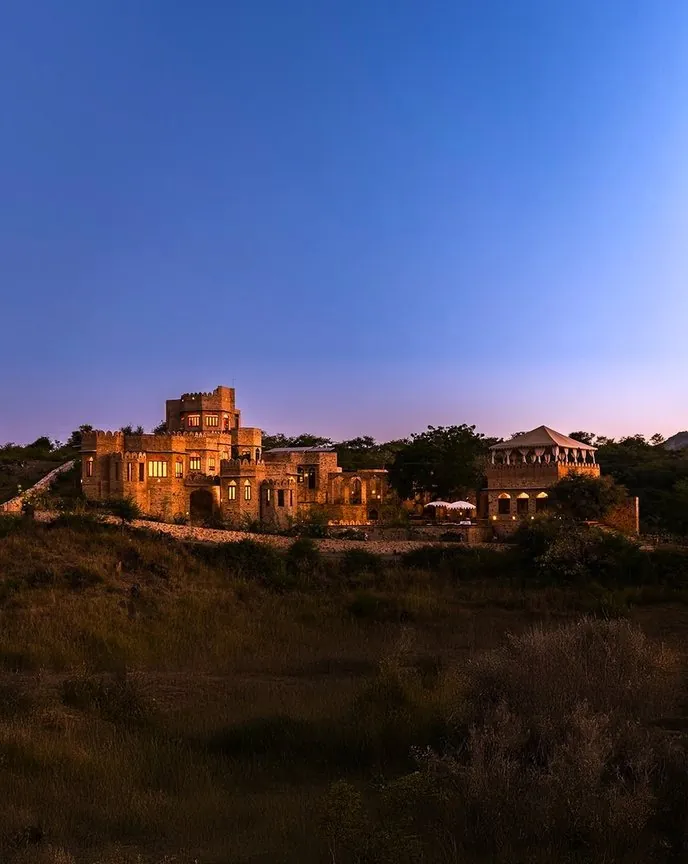
| Raht Manmatha | Aravalli Hills above Badi Lake, Udaipur | Fort-style estate, 4 suites, 8 guests, 55 minutes from the airport |
| Raht Aashyana Lakhanpal | Goa | Signed |
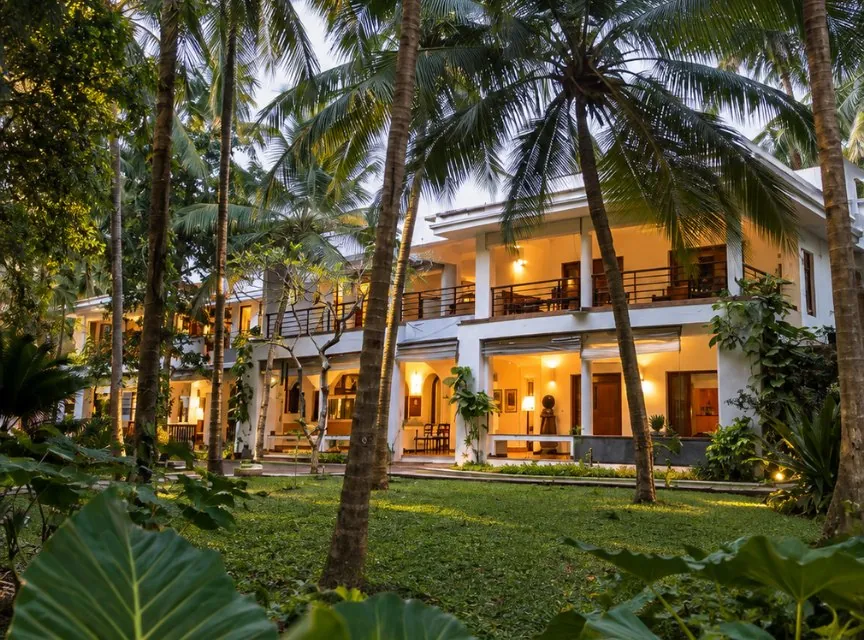
Four more estates are in development in Rajasthan and Uttarakhand. None of these would fit a franchise’s standards, and none would gain much from a global logo. Guests book them for the place, the food and the privacy. That’s when it pays to build your own hotel brand in India.
How to decide: 4 questions
- Would guests book this hotel for the place, or for the brand name?
- Will the extra demand from a brand cover its fees, year after year?
- How much control do you want over design, rates and experience?
- Are you building one hotel, or a portfolio?
If most of your answers lean toward the place, control and a portfolio, look hard at whether to build your own hotel brand in India before you sign a franchise.
Weighing your own brand against a franchise? Tell us about your site and plans, and we’ll talk you through both routes honestly. Call or WhatsApp +91 98714 88844, or explore building your brand with us.